What Is a Class B RV? (Full Breakdown with Examples)
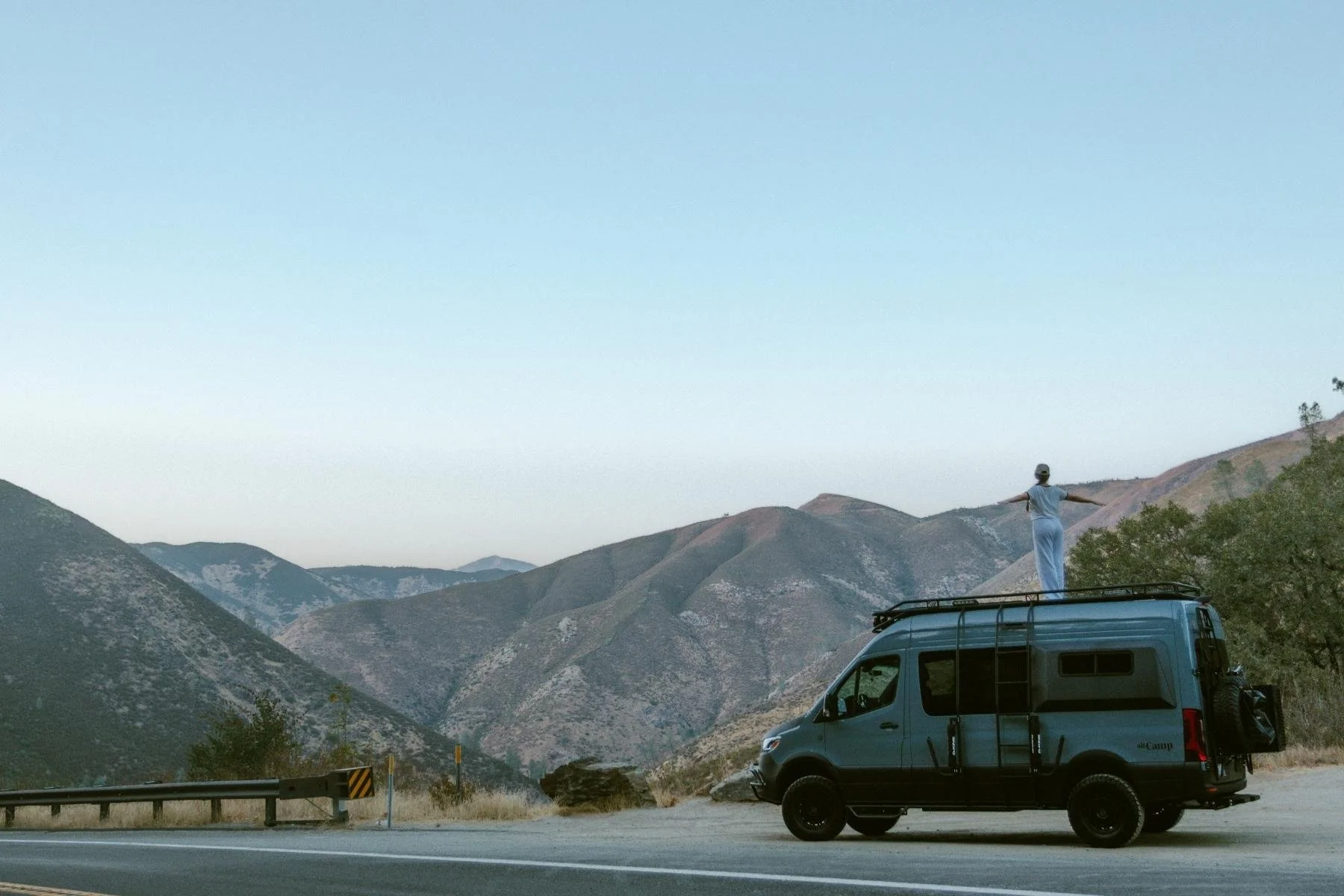
The RV world has a surprising amount of jargon to it. It’s like you’re back in school with classes and the ABCs. Luckily, there’s no exams here and hopefully no anxiety dreams of showing up without pants. If you’re eyeing a luxury sprinter van conversion or wondering how camper vans fit into the RV vocabulary, allow me to introduce the Class B RV.
What is a Class B RV?
A Class B RV is your typical camper van or converted van. It’s the smallest of the recreation vehicles and it’s become massively popular among vanlifers and outdoor adventurers for its drivability, versatility, and customization options. Class B RVs are built on a van chassis (the base frame) and can be wildly different in style. You can find everything from a factory-built RV like a Winnebago Solis to a hyper-customized DIY build. You may also hear the term Class B+—this is more a subcategory. It’s basically a Class B RV, but a little bigger.
Class B Camper Specifications
Real quick, let’s cover the hard numbers that describe a Class B camper. You’ll notice that there’s a wide range here. That’s because Class B RVs cover lots of different styles, so a lot of it really depends on how fancy and luxurious you’re getting.
Length: 16-24 feet
Weight: 6,000-11,000 pounds
Fuel type: Diesel or gas
Fuel efficiency: 10-25 miles per gallon
Slide-outs: up to one
Sleep capacity: up to four
Price range (new): $40,000 to $200,000+
Key Features You’ll Find in a Class B RV
The cool thing about a Class B RV is it can often have a lot of the same features that a full-size RV has, just at a smaller capacity. That being said, while all of these features are possible, it’s not an easy task to fit all of them at the same time due to space limitations. Instead, you may have to be selective about what your priorities are. For example, instead of having a permanent wet bath, a camper might have more seating space or storage.
The key features you’ll find in most Class B RV’s:
Bed
Kitchenette (mini-fridge, stove, sink, water tank)
Storage
Toilet
Electricity
Windows
Ventilation fans
Microwave
Oven
Couch or seating area
Desk or dining table
Wet bath shower
Black and grey water tanks
Solar panels
High roof
Heater
Luxury features you’ll find in some Class B RVs or Class B+ RVs:
External storage
Slide out
Pop-up top
Air conditioning
Awning
Pros and Cons of a Class B Camper
Pros
Drives similarly to a regular car (I think they’re even slightly easier to drive than some cars!)
Can often park in a regular parking spot
More stealth — can sometimes be confused for a delivery van
Similar amenity possibilities to a larger RV
More likely to be off-grid capable (less need for hookups)
More off-road friendly
More customizable
Efficient gas mileage
Cons
Less storage space
Less privacy — many don’t have different rooms
Tight quarters and less living space
Many do not have a shower
Wet bath can be cramped (if it exists)
Less features and amenities than larger are guaranteed
How Class B RVs compare to Class A and Class C RVs
Aside from Class B RVs, there are two other main classes of RVs: Class A and Class C. So, how are Class Bs different from the others? Let’s do a quick rundown.
Class A vs. Class B RVs
Class A RVs are likely what you imagine when you think of the big, luxurious RVs or motorhomes. They are the biggest of the bunch, ranging from 26 to 45 feet long. They are the definition of a full home on wheels. On the downside, that larger size makes them harder to maneuver and park than a Class B camper van. They also get significantly worse gas mileage.
Class C vs. Class B RVs
Class C RVs slot somewhere in between the Class A and Class B in terms of size. They’re typically built on a truck chassis and range from around 23 to 35 feet long. Expect them to have a bit more space than a Class B, but require slightly more finesse to drive and park.
Popular Class B Campervan Examples
We’ve talked about what Class B RVs are in theory, but what about in the real world? For starters, you’ve probably seen them around, even if you didn’t realize it. All the vans with fancy add-ons and windows driving around these days are almost all going to be Class B campers.
Some of the most popular brands with factory-built Class B RVs are Winnebago, Airstream, and Jayco. There are also a ton of options by custom conversion companies like Storyteller Overland and The Vansmith. altCamp’s Signature Collection fleet is custom-built out in collaboration with Mercedes-Benz Expert Upfitter Vanspeed.
Click here to browse our Airstream rental inventory.
Who a Class B RV is Perfect For
These little adventure homes are ideal for those who want something more comfortable than camping, but more off-grid than RV parks. Think, couples who want spontaneous weekend hiking trips, solo vanlifers who plan to stealth camp or boondock often, or anyone who wants to live on the road, but find the idea of driving a big rig intimidating.
When Not to Get a Class B Camper
If you’re traveling with more than four people and an animal or two, I’d strongly consider going with a larger rig. With the right Class B camper van, you can fit up to four people (especially if some of those people are kiddos), but be prepared for tight quarters or to spend most of your time outside. If you like space to spread out, want a full kitchen with a full refrigerator, or like hosting for larger groups, then a van may not be the choice for you.
Renting a Class B RV vs. Buying One
I’ve said it before, and I’ll say it again—I always recommend renting and trying out living in a van or RV before buying one. Even a budget-friendly converted van is a sizable commitment, so whenever possible, it’s often worth the cost of renting to make sure it’s something you’ll actually enjoy.
If you’re only expecting to take a trip or two each year, renting might be the better option overall anyway. That way, you don’t have to handle the hidden costs like registration, maintenance, and storage. Plus, if your needs change over the years or you want to try out a larger Class C or Class A RV, you can easily make that happen.