How Much Does a Sprinter Van Rental Cost in 2026?
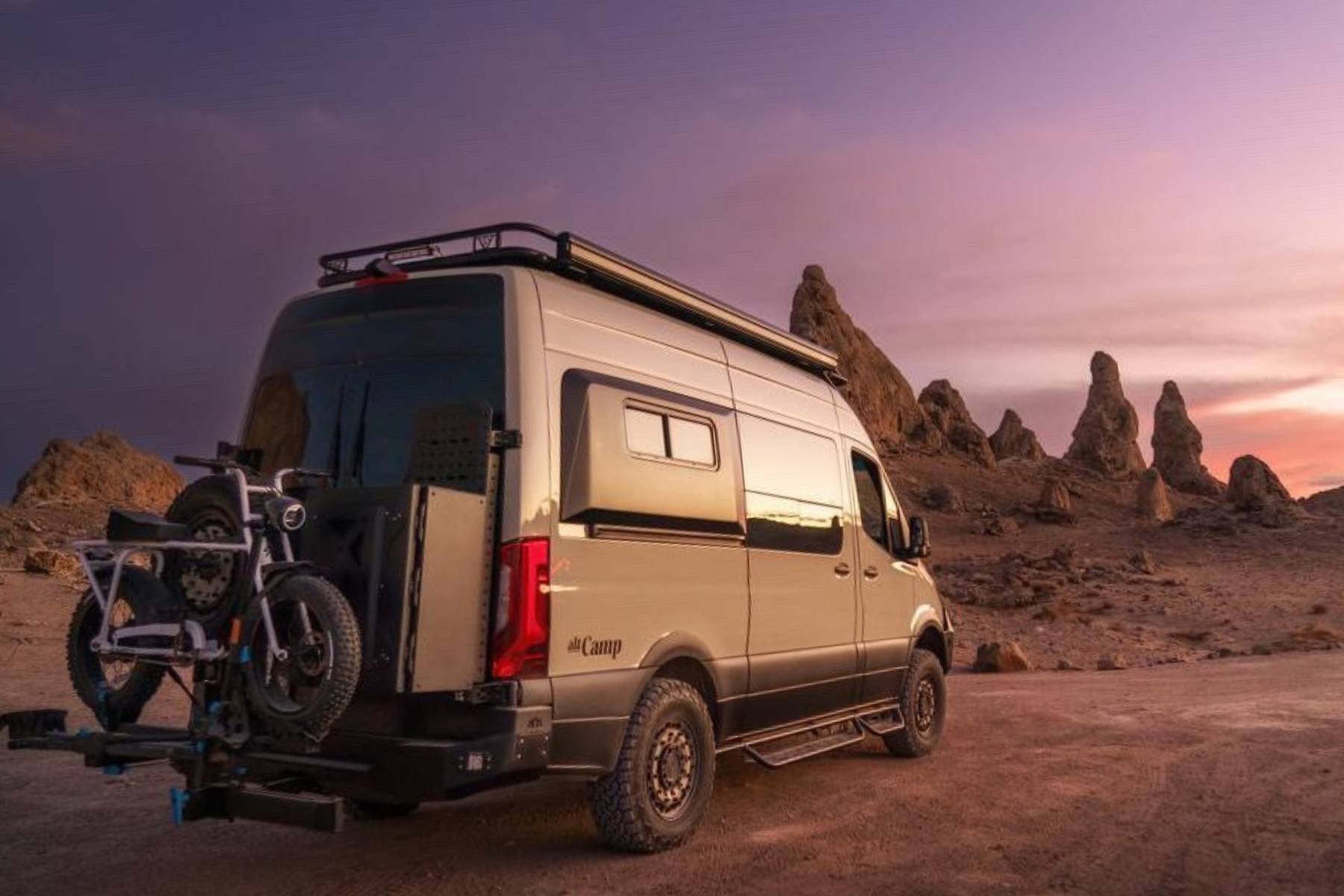
In 2026, most Sprinter van rentals cost between $130 and $450+ per night. Budget DIY conversions start around $130 to $175, well-equipped mid-range campers run $175 to $300, and luxury Sprinters typically land at $350 to $450 or more. Most travelers end up in the $175 to $250 range for a comfortable, self-contained van.
That's the short answer. The full picture depends on the vehicle, the city, the season, and a handful of fees that don't show up in the nightly rate. Here's exactly how to budget your trip, with real numbers.
Sprinter Van Rental Prices at a Glance
| Tier | Per Night | Per Week | What You Get |
|---|---|---|---|
| Budget / DIY conversion | $130–$175 | $775–$1,100 | Essential accessories only, basic kitchen set up, less polished interior |
| Mid-range camper | $175–$300 | $1,050–$1,900 | Comfortable bed, exterior modifications, solar, Wi-Fi |
| Luxury Sprinter | $350–$450+ | $2,100+ | New chassis, fully-loaded interior & exterior, professionally built |
Weekly rates usually work out cheaper per night than the daily rate, since most hosts bake in a 10 to 15% weekly discount. If you're planning a real road trip, book by the week.
What's Actually in a Sprinter Van Rental
A Sprinter van rental gets you a Mercedes-Benz Sprinter, usually a 144" or 170" wheelbase, converted into a self-contained living space. It fits in a standard parking spot, gets around 12 to 15 MPG on the highway (when built out), and doesn't require a special license to drive in the U.S. What's included varies by host, so always confirm bedding, kitchen gear, and mileage allowance before you book.
6 Things That Push the Price Up or Down
The vehicle and conversion quality. A basic cargo conversion on an older chassis with a bed platform and cooler might rent for $130 a night. A high-roof luxury Sprinter with ample battery power, a diesel heater, and a shower can hit $400+, closer to what altCamp's Signature Collection vans rent for.
Location. Demand spikes in cities with strong outdoor access. Vans out of Denver and Seattle tend to run higher year-round because mountain and Pacific Northwest trips are strong in every season. Los Angeles renters benefit from a deep local supply, which keeps rates more competitive.
Season. Summer weekends, especially July Fourth through Labor Day, can carry 20 to 40% premiums for hosts that do dynamic pricing. Booking shoulder season (May, September, early October) frequently saves $40 to $60 per night with identical availability.
Trip length. Longer trips almost always cost less per night. Most hosts include a 10 to 15% weekly discount, and for 14+ day rentals it's worth messaging the host directly to ask for a better rate. Owners are generally more flexible on price during slower seasons than their listed rate suggests.
Insurance. Coverage packages typically follow a good/better/best structure and range from about $40 to $90 per night. Higher-end vehicles cost more to insure, so a luxury Sprinter will land at the top of that range. It's usually not optional, so factor it in from the start.
Extra fees. Budget for a refueling fee (most owners require you to return the tank full), a cleaning fee, an optional generator fee on some listings, and mileage overages if you exceed the included daily cap (typically 100 to 150 miles per day).
What a 5-Night Trip Really Costs
Here's a realistic all-in budget for a mid-range Sprinter, two people, roughly 800 miles of driving:
| Line Item | Cost |
|---|---|
| Nightly rate: 5 nights × $225 | $1,125 |
| Insurance: 5 nights × $60 | $300 |
| Cleaning fee | $150 |
| Taxes and service fees (est.) | $180 |
| Diesel: ~800 miles at 12 to 15 MPG | $225 |
| Total | ~$1,980 (about $395/night all-in) |
The nightly rate is usually only 55 to 65% of your true trip cost. Budgeting off the sticker rate alone is the most common mistake first-time renters make.
How to Pay Less for a Sprinter Van Rental
Book shoulder season. May and September get you summer weather at $40 to $60 less per night.
Book a week, not a weekend. The weekly discount plus better mileage allowances usually make 7 nights only marginally more expensive than 4.
Message the host before booking. Discounts are sometimes applied automatically, but not always, especially for longer-term trips.
Watch the mileage cap. A cheaper van with a 100-mile daily cap can cost more than a pricier van with unlimited miles if you're covering serious ground.
Skip features you won't use. If you're camping at established sites with hookups, you don't need a $400/night off-grid rig.
Sprinter Van Rental Cost FAQ
How much does it cost to rent a Sprinter van for a day? A single day typically runs $130 to $450 depending on the conversion. Keep in mind most hosts have a two- or three-night minimum, especially in peak season, so a true one-day rental isn't always possible.
How much does it cost to rent a Sprinter van for a week? Expect $775 to $1,100 for a budget DIY conversion, $1,050 to $1,900 for a mid-range camper, and $2,100+ for a luxury Sprinter. Weekly rates are usually the best value per night.
How much does it cost to rent a Sprinter van for a month? Budget conversions typically run $3,000 to $4,500 per month, with luxury Sprinters at $7,500 and up. Message the host directly. Many will negotiate custom rates for extended trips that aren't shown in the listing.
How much is insurance on a Sprinter van rental? Plan on $40 to $90 per night depending on the coverage tier and the vehicle's value. It's rarely optional.
Are Sprinter van rentals cheaper in the off-season? For hosts who offer dynamic pricing, yes. Outside of summer weekends and holidays, rates commonly drop $40 to $60 per night, and hosts are more open to negotiating longer trips.
What extra fees should I expect? The usual ones are a cleaning/prep fee, refueling fee if you return the tank low, mileage overage charges beyond the daily cap, toll charges, and taxes or platform service fees at checkout.
Ready to see real prices in your city? Browse Sprinter van rentals near you and compare budget, mid-range, and luxury options side by side. For what to check before you book, read Sprinter Van Rentals: What to Know Before You Book.