How to Plan a Rocky Mountain National Park Camper Van Road Trip
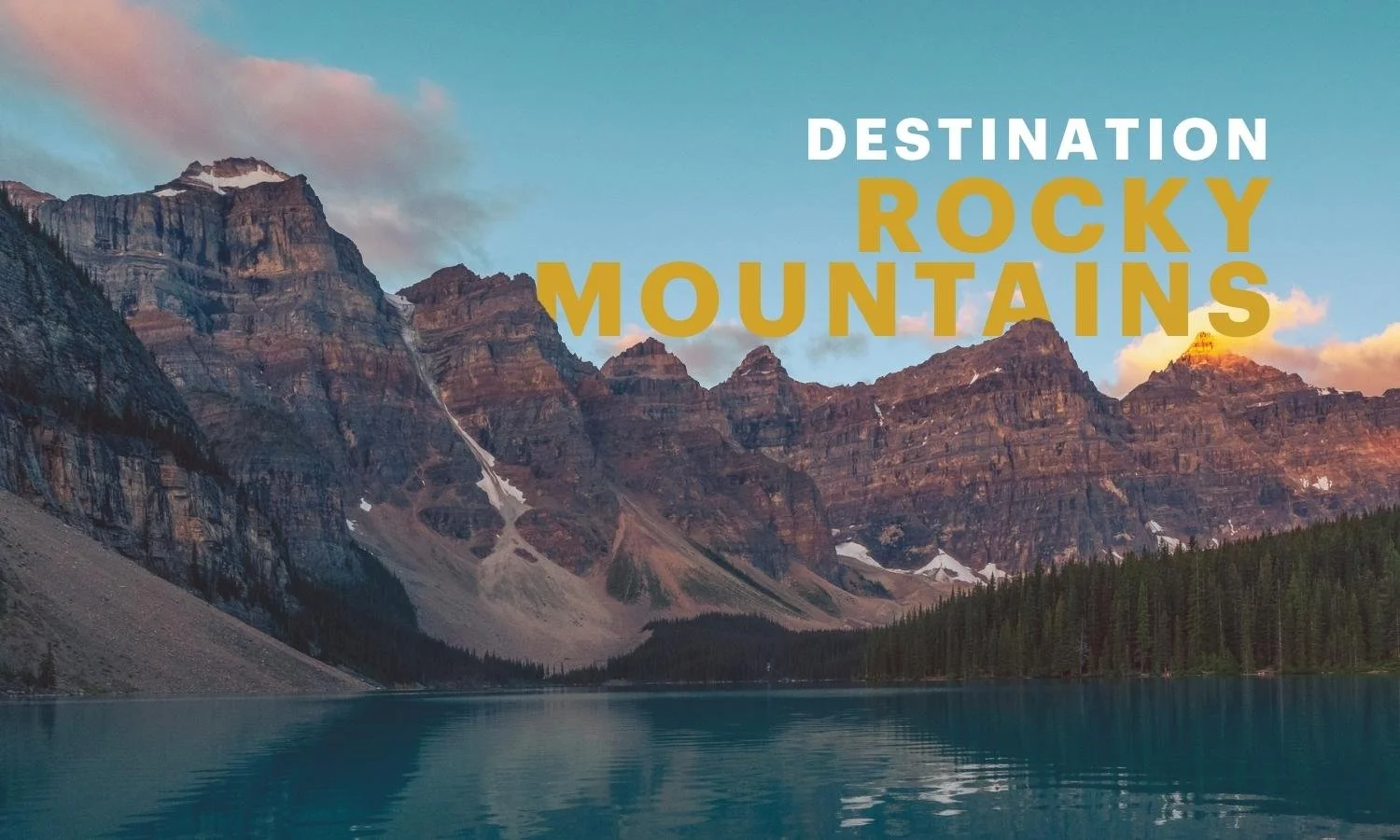
A camper van rental in Denver puts you about 90 minutes from one of the most dramatic stretches of the Rockies — close enough to grab groceries in the city and be parked beneath 12,000-foot peaks by dinner. Rocky Mountain National Park rewards travelers who can sleep near the trailheads, and a van gives you that flexibility without the bulk of a 30-foot motorhome.
Can You Camp in Rocky Mountain National Park?
Camping in Rocky Mountain National Park is allowed only at its five designated campgrounds, and sleeping or overnight parking anywhere else inside the park isn't permitted. Four of those campgrounds work well for vans: Moraine Park and Glacier Basin on the busy east side, Aspenglen near the Fall River entrance, and Timber Creek over on the quieter west side near Grand Lake. Longs Peak is tent-only. Most sites fit a Class B RV comfortably, though length limits apply and none of the in-park campgrounds offer hookups, so you'll be running on your van's house battery and fresh-water tank.
If the campgrounds are booked, dispersed camping is available in the surrounding Arapaho and Roosevelt National Forests rather than inside the park boundary. It's worth understanding the rules before you go — our guide on where you can legally sleep in a camper van breaks down the difference between public-land camping and a quiet residential street.
Getting From Denver to the Park
The eastern gateway, Estes Park, sits roughly 70 miles northwest of the city — about an hour and a half up US-36 through Boulder and Lyons. If you're picking up your conversion van near Denver International Airport, budget closer to two hours, since the airport sits on the far east side of the metro. Most travelers base out of Denver and stock up before heading into the mountains, where prices climb and grocery options thin out fast.
Grand Lake serves as the western gateway and connects to Estes Park by Trail Ridge Road, so you can enter one side and exit the other instead of backtracking. That through-route is one of the best reasons to do this trip in a van in the first place.
When to Visit
Summer is the obvious window: from late May into mid-October, Trail Ridge Road is typically open and every campground is running. It's also the busiest season, and the park usually requires a timed-entry permit during peak months — the exact dates and structure shift year to year, so confirm the current rules on the official Rocky Mountain National Park site before you lock in dates. Fall is the local favorite: late September brings golden aspens and the elk rut, when bull elk bugle across Moraine Park and Horseshoe Park at dawn and dusk. Winter quiets everything down, but Trail Ridge Road closes with the snow and only a couple of campgrounds stay open.
One thing first-timers underestimate is altitude. The park ranges from around 7,500 feet to over 14,000, and Denver itself sits at a mile high. Give yourself a day to acclimate, drink more water than feels necessary, and don't plan your hardest hike for day one.
Best Things to Do
Trail Ridge Road is the headline act — it crosses the Continental Divide, climbs above 12,000 feet, and ranks among the highest paved roads in the country, with pullouts where you can step out into alpine tundra. For hiking, the Bear Lake corridor packs in classics like Dream Lake, Emerald Lake, and the longer haul up to Sky Pond. Wildlife watching is genuinely good: the Kawuneeche Valley near Timber Creek is one of the better spots in Colorado to see moose, while elk gather on the east-side meadows. When you want a shower and a sit-down meal, the town of Estes Park has both — the Visit Estes Park tourism board keeps a current rundown of breweries, restaurants, and events.
What a Denver Camper Van Rental Costs
Pricing depends on the build, but a straightforward Class B or conversion van in the Denver market generally runs about $150 to $250 a night, while a Sprinter-based camper van rental with a full kitchen, indoor shower, and solar setup pushes higher — often $250 to $400-plus for a luxury camper van. On top of the van, plan for the park: a seven-day vehicle pass is around $35, the timed-entry permit adds a small processing fee, and in-park campgrounds run roughly $30 to $40 per night.
Because none of the park campgrounds have hookups, the value of a self-contained rig is real here — your power and water come with you. If this is your first time behind the wheel of a rental, our walkthrough on what to know before your first camper van rental covers the questions worth asking a host upfront, and you can browse the full range of camper van rentals across Colorado to compare layouts and price points.
Turning It Into a Longer Road Trip
Plenty of travelers don't stop at the park. From Grand Lake you can keep heading southwest into the desert, or loop the whole rig toward Utah and a different kind of red-rock scenery a day's drive away. If you'd rather build a string of city stops, vans picked up in Denver also pair naturally with onward bases like Salt Lake City to the west or Albuquerque to the south. And if your time is short, the five best weekend getaways from Denver include a few that don't require the full park commitment. For broader trip planning across the state, the Colorado Tourism Office is a solid starting point.
A van turns Rocky Mountain National Park from a day trip into a base camp — you wake up where you want to hike instead of fighting for a parking spot at 9 a.m. When you're ready to map out the kind of Rocky Mountain National Park trip in this guide, browse the camper van options on altCamp.com and find a build that matches your route, your group, and how far off the pavement you plan to roam.