Van Rental 101: How to Pick the Right Camper
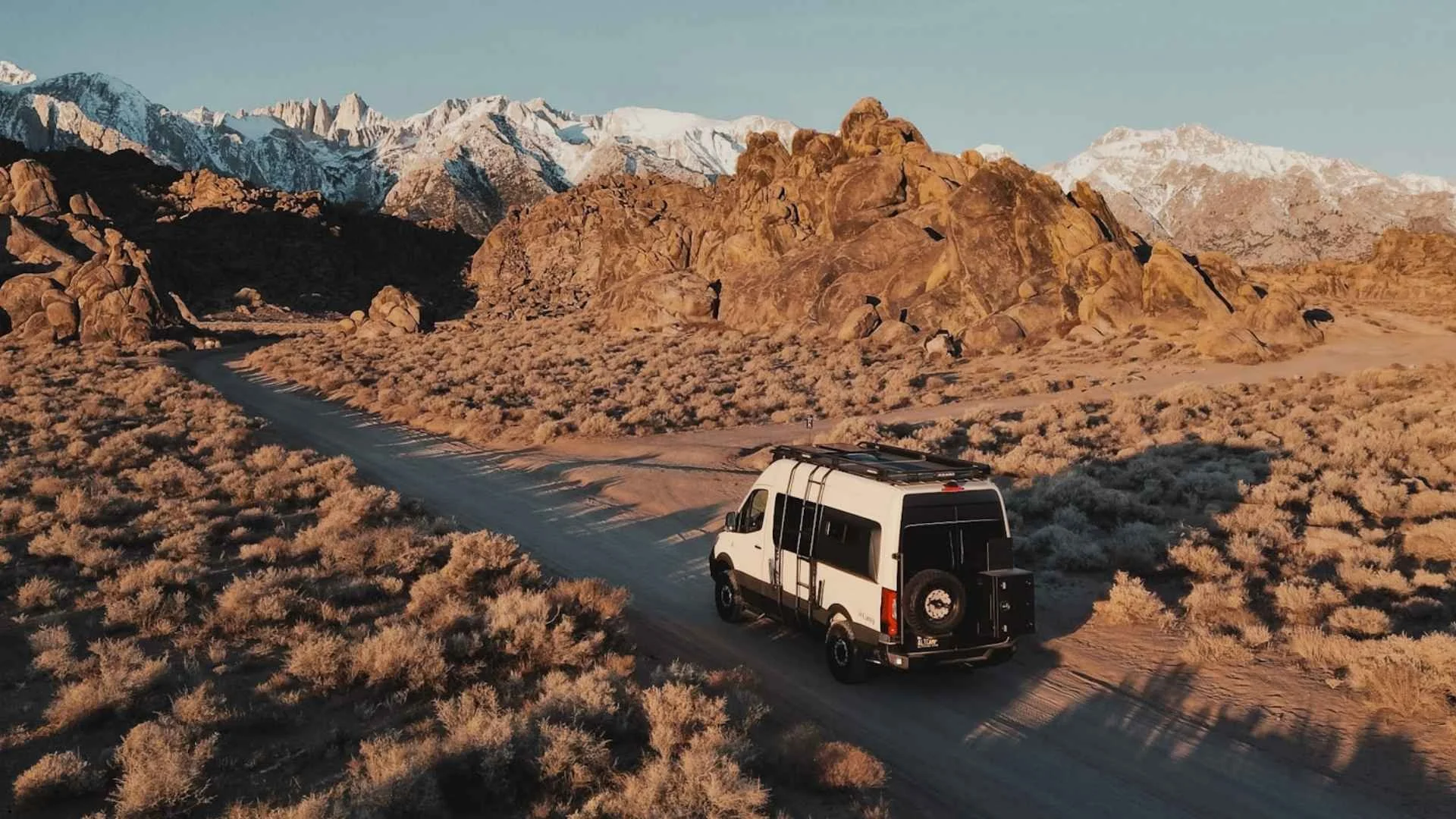
Picking the wrong van rental can turn a dream road trip into a logistical headache — and the options are more varied than most people expect. Here's how to cut through the noise and find the camper van that actually fits your trip.
Start With Your Trip Type
The single most important factor in choosing a van rental is what you're actually planning to do. A weekend surf trip down the California coast calls for something very different than a two-week backcountry run through Montana.
If you're mostly driving between destinations and sleeping in established campgrounds, a basic conversion van with a bed and a cooler might be all you need (browse available sites ahead of time at Recreation.gov to get a feel for what's along your route). But if you're planning to cook your own meals, work remotely, or stay off-grid for several days at a stretch, you'll want a more fully built camper van — something with a kitchenette, solar power, and water storage. Think about how many nights you'll actually spend in the van versus at a hotel or friends' place. That ratio usually makes your choice obvious.
Know Your Group Size (Honestly)
A camper van rental for two is a very different experience than one for three or four. Most Class B RVs — the style of van most commonly listed on camper platforms — sleep two adults comfortably. Some have a dinette or pop-top that technically converts to a third sleeping spot, but "technically sleeps three" and "comfortably sleeps three" are different things entirely.
If you're traveling with kids, factor in storage for gear, car seats, and the reality that everyone needs somewhere to sit during the day. A larger Sprinter-style build with a rear garage area or overhead storage can make a big difference on longer trips. Check the van's specs carefully — listed sleeping capacity and real-world comfort rarely match.
Understand the Amenities That Actually Matter
It's tempting to filter for every available feature: solar, outdoor shower, pet-friendly, full kitchen, rooftop tent. But most experienced camper van travelers will tell you the same thing: prioritize the features you'll use every single day and skip the rest.
The non-negotiables for most people are a real bed (fixed, not a fold-out if possible), a way to cook or at least heat water, and some kind of climate control for the region you're visiting. If you're heading to Colorado in the shoulder season or Oregon in spring, a van with a diesel heater matters a lot. For a summer trip around Southern California, a fan and good ventilation might be enough.
Extras like outdoor kitchens and Starlink setups are great — but they add cost and complexity. Know which amenities are dealbreakers and which ones you're paying for just because they looked good in the photos.
Think About Driveability
This one catches first-timers off guard. A full-size Sprinter van is around 20 feet long and sits noticeably higher than a typical SUV or truck. It won't fit in most standard parking garages. Driving through dense urban areas or narrow canyon roads takes a little adjustment if you're not used to the size.
If you're newer to driving a vehicle like this, look for a mid-size conversion van or a smaller Class B RV. They're easier to maneuver, cheaper to park, and frankly more comfortable for city legs of a trip. If your itinerary includes spots like San Francisco, New York, or any city with tight street parking, size matters more than you'd think. Our post on what is a Class B RV breaks down the size categories in plain terms if you want a more detailed look.
Factor In Total Cost, Not Just the Daily Rate
The listed nightly rate for a van rental is usually just the starting point. Most rentals also include a mileage component — either a daily mileage cap with per-mile overage fees, or unlimited miles at a higher base rate. On long-haul road trips, that mileage structure can swing your total cost significantly.
Beyond mileage, budget for fuel (most full-size camper vans average 14–18 MPG on the highway), any generator or electrical usage fees, rental insurance and the security deposit, which typically runs $500–$1,500 depending on the van. Campground fees are their own line item — expect $20–$50 per night at most established sites, or free with some planning. A good article on how much it costs to rent a conversion van can help you build a realistic budget before you commit.
Helpful resource: AAA’s fuel cost calculator.
Read the Listing Like a Renter, Not a Tourist
When you're browsing van rental listings, pay attention to the details hosts actually list versus what they leave vague. Specific details — "fixed queen bed," "50L fresh water tank," "diesel heater" — are good signs. Generic descriptions with lots of lifestyle photos and not much spec info usually mean a more basic setup than the images suggest.
Reviews from previous renters are worth more than the listing description. Look for comments about the reliability of the heating or electrical system, how responsive the host was, and whether the van was actually clean and ready at pickup. Also check the pickup location — some vans listed in major metros are actually located 30–45 minutes outside of the city.
The Bottom Line
Choosing the right camper van rental comes down to matching the vehicle to the actual trip — not the trip you're imagining in an Instagram filter. Group size, amenities, driveability, and real total cost are the four factors that matter most. Get those right and the rest usually takes care of itself.
AltCamp makes it easy to filter listings by those exact criteria. If you're still figuring out where you want to go, browse camper van rentals by state — from California to Colorado to Florida — and let the destination help narrow down the van.